


What is Natural Bypass – EECP Treatment?
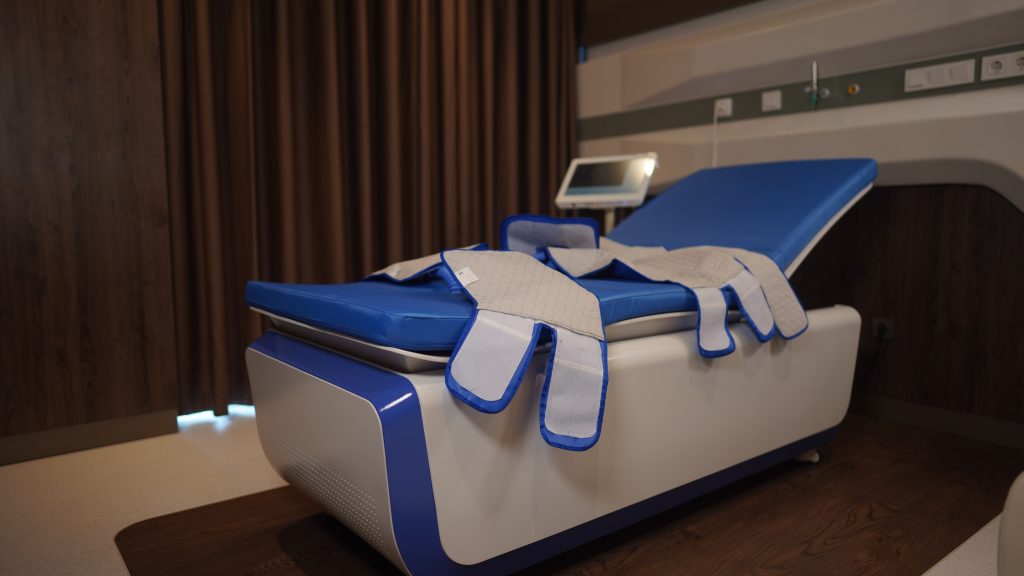
The next-generation EECP (Enhanced External Counterpulsation) therapy is a treatment method that improves the functioning of the heart and supports blood circulation in cardiovascular disease and heart failure. EECP increases blood supply to all organs, leading to more efficient organ function. As a result, symptoms of the disease such as chest pain, fatigue, shortness of […]
ASD (Atrial Septal Defect) Closure
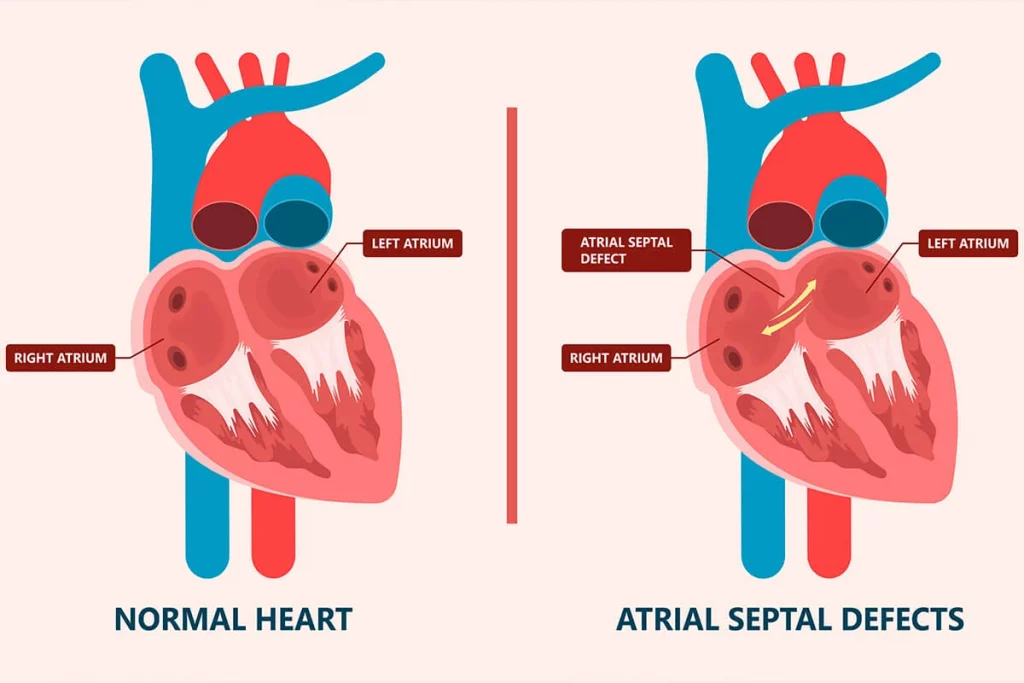
What is ASD (Atrial septal defect)? The presence of a congenital hole in the septum, which separates the right and left atria (auricles) of the heart, is known as an atrial septal defect (ASD). In the presence of ASD, a portion of the clean blood in the left atrium passes to the right atrium, leading […]
Heart Catheterization and Angiography
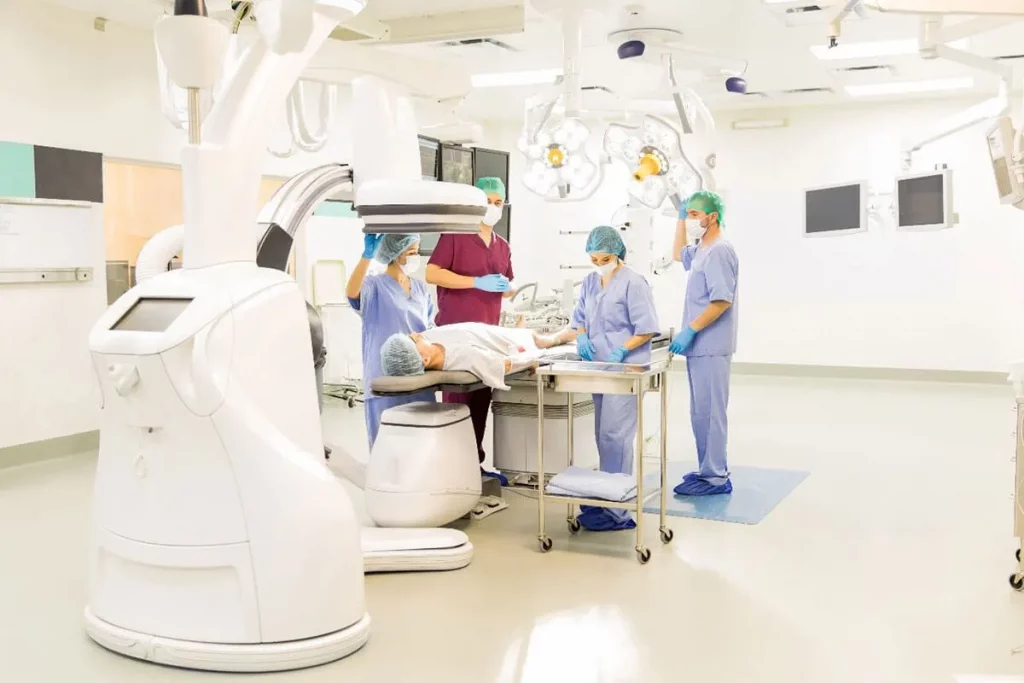
Contrary to popular belief, angiography is a diagnostic method rather than a treatment. It involves the imaging of the heart’s arteries by administering a contrast agent and recording it using X-rays. The main purpose of this procedure is to confirm or rule out suspicions of coronary artery blockage, and if blockage is detected, to decide […]
Chronic Total Occlusion and Stenting
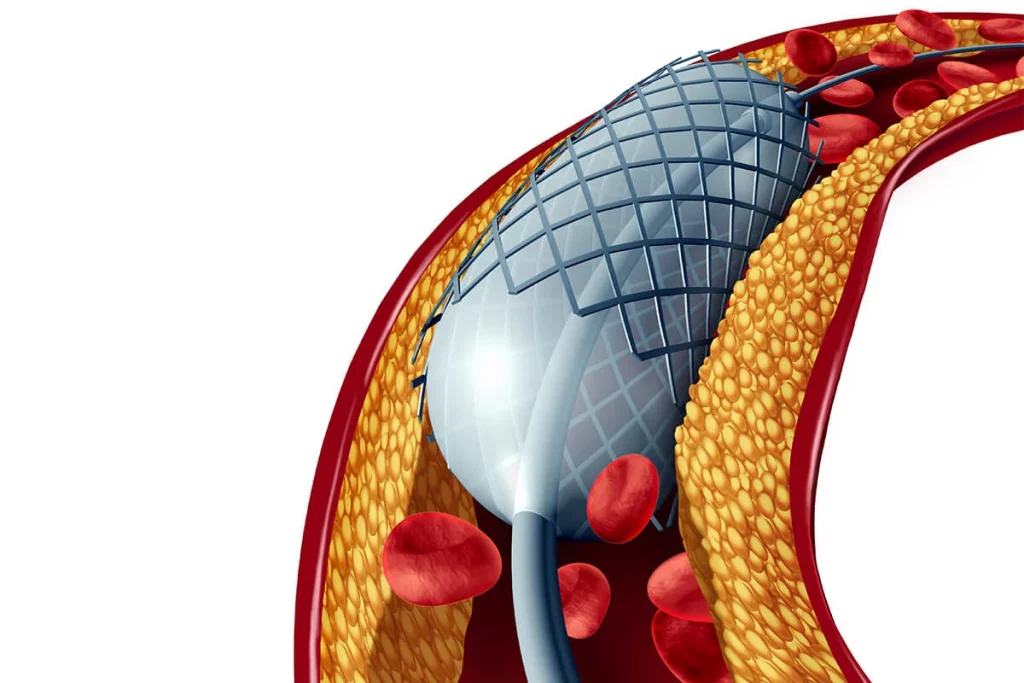
What is chronic total occlusion/CTO treatment? When a coronary artery is fully blocked for at least three months with no blood flow through the blocked artery, it is referred to as “chronic total occlusion (CTO).” These procedures involve the use of specialized stiff wires, balloons, and stents developed for this purpose to quickly open heavily […]
Mitral Balloon Valvuloplasty
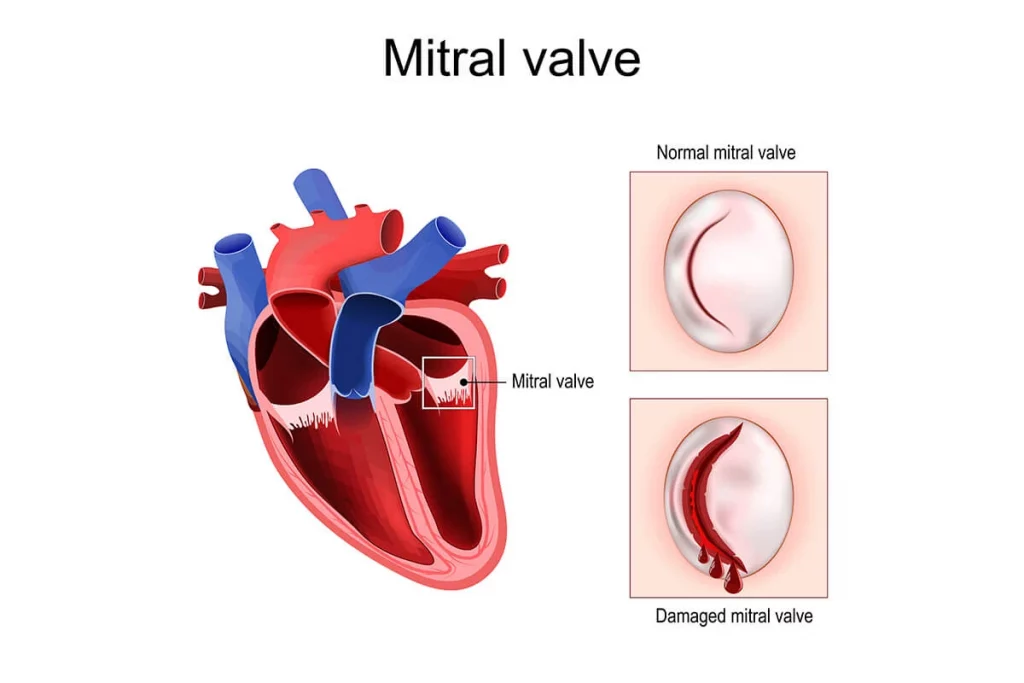
The mitral valve is the valve that ensures one-way blood flow between the left atrium and the left ventricle. As a result of past episodes of rheumatic fever, the mitral valve can gradually develop stenosis or insufficiency. As a result of stenosis, an insufficient amount of blood can pass from the atrium to the left […]
Peripheral Angiography
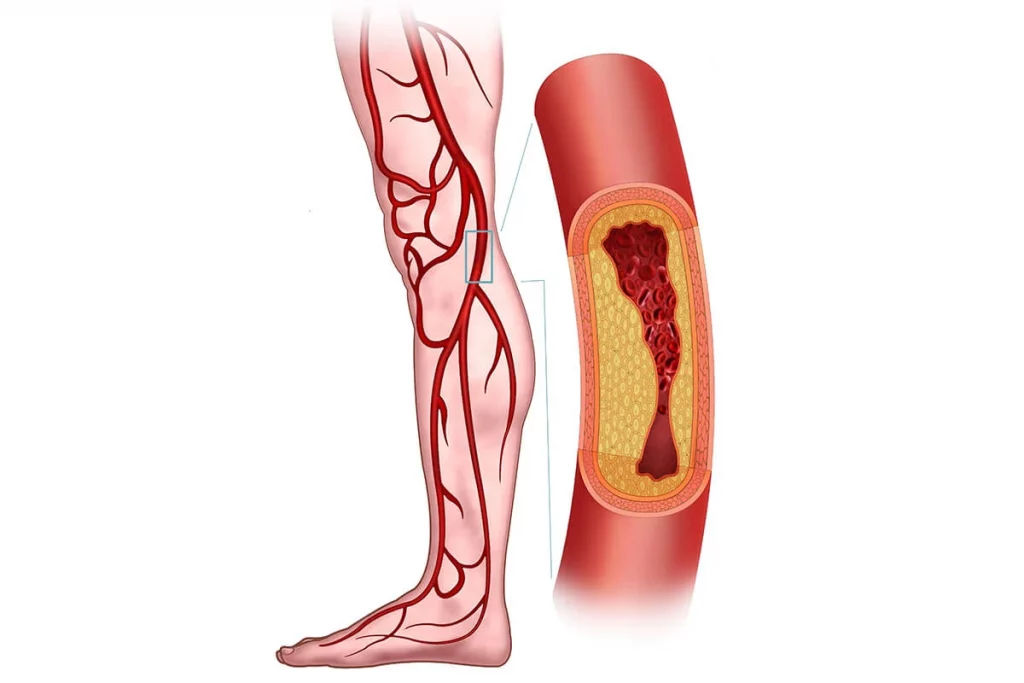
The Turkish equivalent of the term “artery” is “atar damar.” Arteries can be defined as the tube system that carries blood pumped from the heart. The brain, muscles, arms, legs, lungs, skin, and all the organs within the abdomen (such as the liver, stomach, intestines, kidneys, spleen, etc.) receive oxygen and nutrients from the blood […]
Carotid Angiography
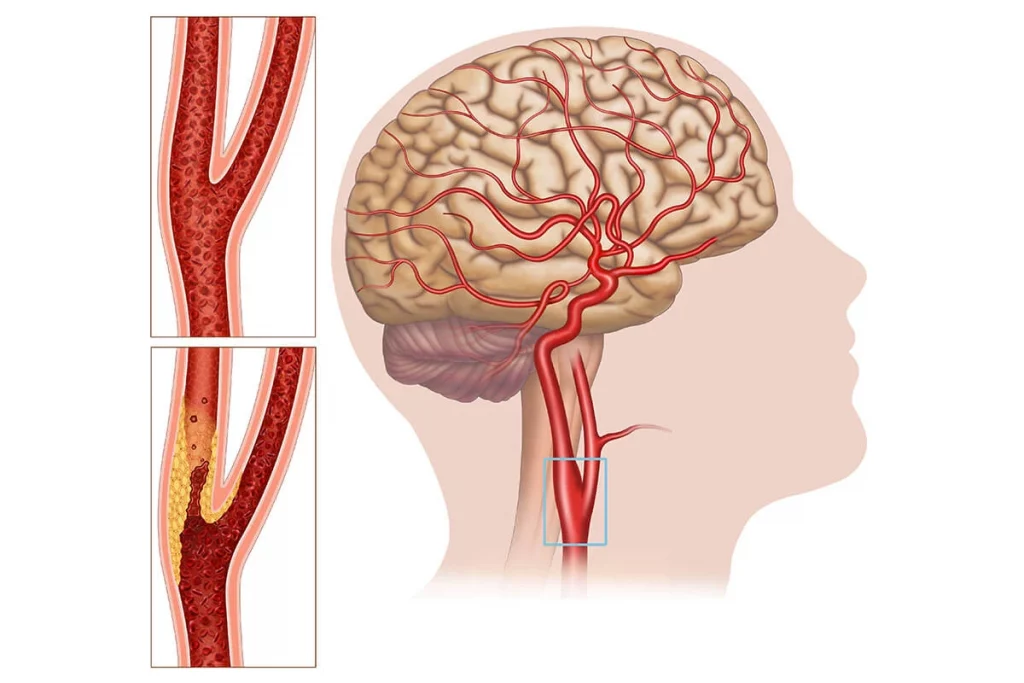
We have carotid arteries (commonly known as the “carotid artery”) on both sides of our neck. Carotid artery disease can lead to stroke or cerebrovascular attacks, making it a potentially serious condition. A stroke occurs when the blood flow to the brain is interrupted due to the blockage of the artery or the formation of […]
Coronary Angiography
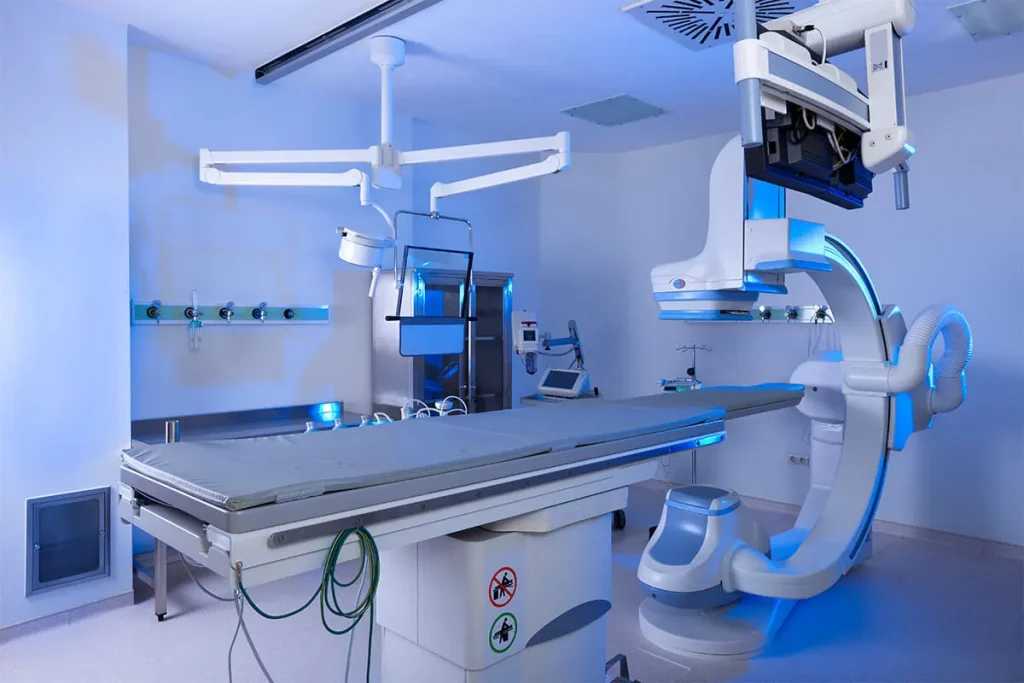
Wrist (Radial) Angiography How to Perform Angiography from the Wrist or Arm (Radial) Coronary angiography, or angiography from the arm, is a procedure performed to visualize any vascular system in the body, monitor blood flow in the vessels, and identify narrowings or blockages in the arteries. Angiography can be performed for all blood vessels in […]
Ablation
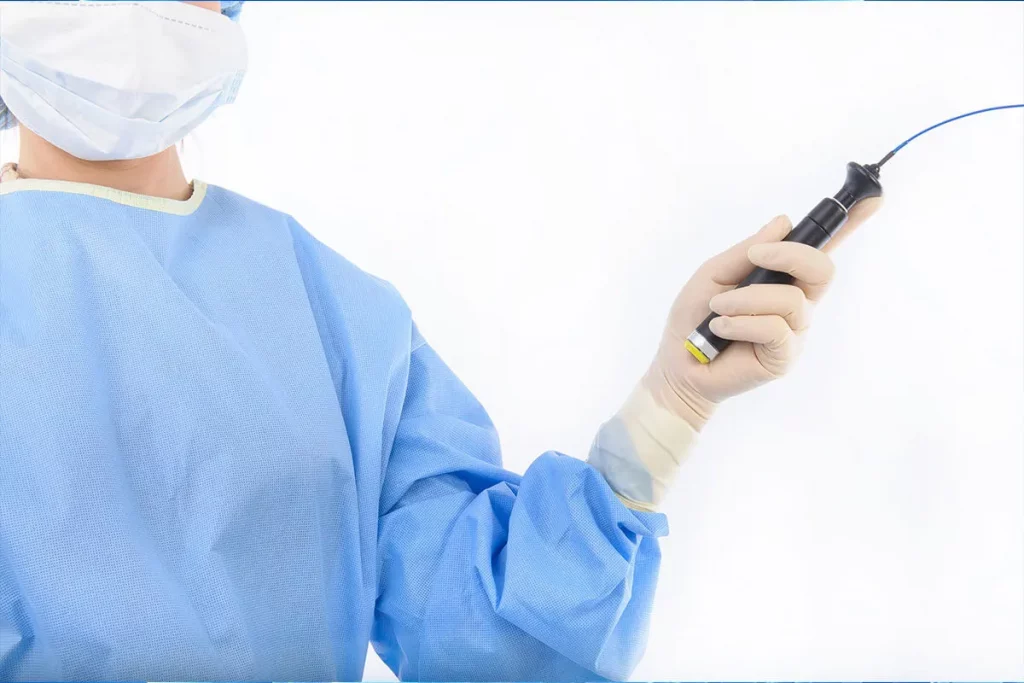
Treatment of Palpitations by Burning or Freezing (Ablation) Various malfunctions can occur in the heart’s normal conduction and impulse system due to a variety of reasons. Sometimes, congenital additional pathways can create short circuits in conduction, leading to rapid heartbeats, also known as tachycardia, causing palpitations. The diagnostic method known as Electrophysiological Study (EPS) involves […]
Transesophageal Echocardiography
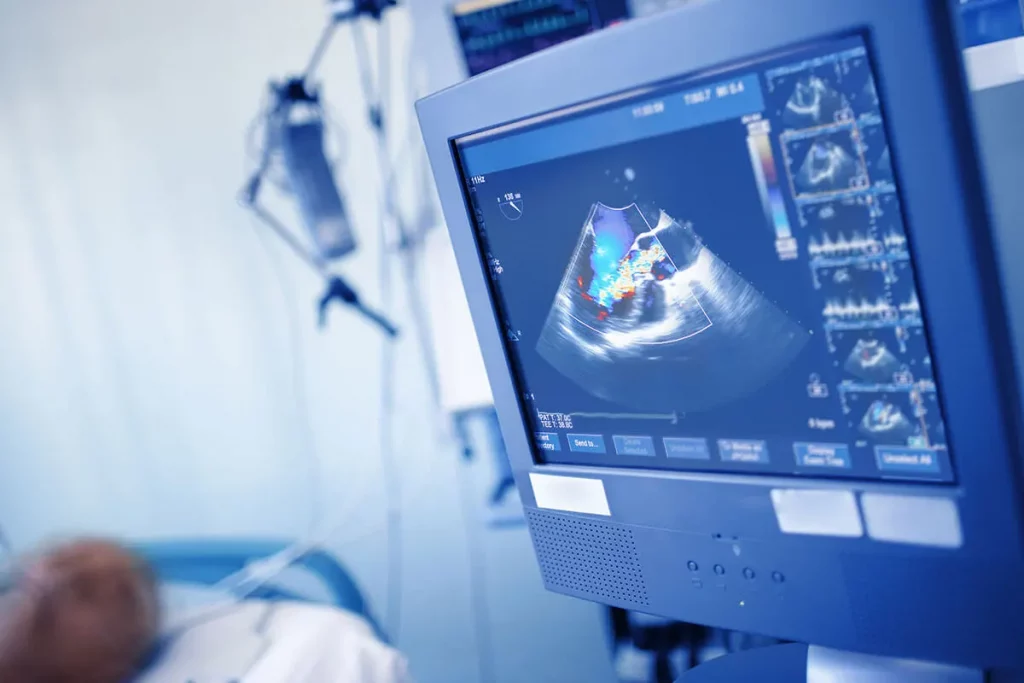
Transesophageal Echocardiography (TEE, TOE, Endoscopic ECHO) Similar to endoscopy, a probe approximately 90-100 cm in length is swallowed after numbing the throat and administering a sedative through a vein. Images taken from this probe, unlike those obtained from external body examinations, offer very clear visuals because there are no significant muscle and bone structures in […]